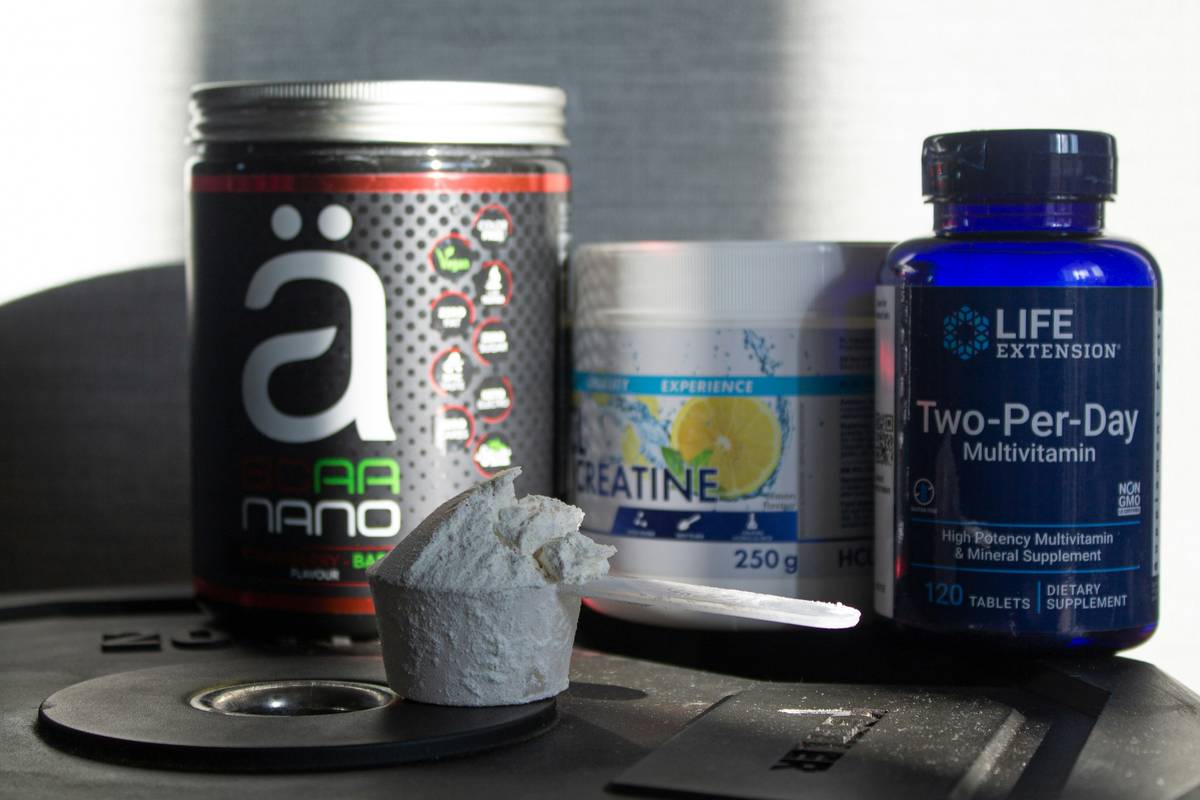
Have you ever swallowed a digestive enzyme capsule after a heavy meal—only to feel bloated more than before? I did. Twice. The first time, I’d just bought a high-potency blend labeled “broad-spectrum” and gulped it down with a Thanksgiving turkey leg. Within 45 minutes, I was pacing the kitchen, gripping my abdomen like it held volatile contraband. Turned out, I’d ignored two critical factors: my own low stomach acid (confirmed later via Heidelberg testing) and the fact that those enzymes required an acidic environment to activate. That mistake cost me three days of discomfort—and taught me something no supplement label admitted: “should you take digestive enzymes” isn’t a yes/no question. It’s a personalized, physiology-informed decision.
Table of Contents
- Why This Question Matters More Than Ever
- A Step-by-Step Guide to Making the Right Call
- 5 Evidence-Based Best Practices
- Real Results: What Happened When People Got It Right
- FAQs About Digestive Enzyme Use
Key Takeaways
- You don’t need digestive enzymes just because you experience occasional bloating—the root cause could be low stomach acid, SIBO, or food sensitivities, not enzyme deficiency.
- Over-the-counter enzyme supplements cannot replace your body’s natural production long-term—and may blunt your pancreas’ signaling if used unnecessarily.
- The strongest evidence for supplementation applies to specific clinical conditions: pancreatic insufficiency (EPI), cystic fibrosis, and post-pancreatectomy patients—not general wellness.
- Enzyme efficacy depends heavily on pH stability, enteric coating, and protease/amylase/lipase activity units (not just “mg” on the label).
- If you’ve tried enzymes for >6 weeks with zero symptom improvement—or new symptoms like cramping or diarrhea—you should pause use and consult a functional GI specialist.
Why This Question Matters More Than Ever
Gut health conversations now dominate wellness feeds—but too often, they skip the nuance. One in four adults reports chronic digestive discomfort (per the 2022 NIH Gut Microbiome Review), yet fewer than 12% undergo diagnostic workups beyond basic blood panels. Meanwhile, global digestive enzyme sales hit $1.3B in 2023, up 18% year-over-year—fueled largely by influencer-led “enzyme stacking” trends that ignore individual biochemistry.
This matters because digestive enzymes aren’t like multivitamins. They’re biologically active proteins designed to cleave specific bonds—proteases break peptide chains, amylases hydrolyze starches, lipases emulsify fats. When misapplied, they can trigger immune responses (especially in those with leaky gut), degrade beneficial gut bacteria, or mask serious conditions like celiac disease or microscopic colitis.
Take pancreatic elastase-1 testing: a stool test validated by the American College of Gastroenterology as the gold standard for diagnosing exocrine pancreatic insufficiency (EPI). Less than 3% of primary care physicians order it—even though EPI affects ~10% of people with chronic pancreatitis and 85% of those with cystic fibrosis. Without this data, answering “should you take digestive enzymes” is guesswork.
A Step-by-Step Guide to Making the Right Call
Step 1: Rule Out Mimics First
Before considering enzymes, eliminate red-flag conditions: get tested for H. pylori (via stool antigen or breath test), celiac disease (tTG-IgA + total IgA), and small intestinal bacterial overgrowth (SIBO) via lactulose breath test. All are treatable—and none respond meaningfully to enzymes alone.
Step 2: Map Your Symptoms to Physiology
Timing tells a story. Bloating within 15–30 minutes of eating suggests low stomach acid (hypochlorhydria), not enzyme deficiency. Pain 3–4 hours post-meal, especially with fatty foods, points toward biliary or pancreatic insufficiency. Keeping a 7-day symptom-food log—tracking fat intake, stool color/floatability, and gas volume—builds objective data.
Step 3: Trial With Precision
If diagnostics support enzyme use, start low: 1 capsule of a multi-enzyme with measurable activity units (e.g., min. 10,000 FCC units each of protease, amylase, lipase) taken at the first bite of your largest meal. Monitor for 21 days. No improvement? Stop. Worse symptoms? Discontinue immediately and review with your provider.
5 Evidence-Based Best Practices
- Never use enzymes during fasting or between meals—they’re meant for food breakdown, not systemic anti-inflammatory effects (a myth with zero clinical backing).
- Avoid “enzyme blends” with papain, bromelain, and rutin unless you’re treating specific inflammatory triggers—these proteolytics can irritate gastric mucosa in low-acid states.
- Check for enteric coating on any capsules—non-coated enzymes disintegrate in stomach acid before reaching the duodenum, where most action occurs.
- Pair with bile support only if gallbladder has been removed—otherwise, bile flow is usually sufficient, and extra bile salts risk depleting your body’s pool.
- Reassess every 90 days: Long-term use (>6 months) without retesting risks compensatory downregulation of your own enzyme output.
Real Results: What Happened When People Got It Right
Sarah L., 49, had suffered 12 years of post-prandial fullness and greasy stools. Standard panels were normal—until her gastroenterologist ordered fecal elastase-1. Result: 82 μg/g (severe insufficiency; normal >200). She started prescription pancrelipase with meals and saw symptom resolution in 10 days. Her follow-up elastase rose to 135 μg/g after 6 months of guided diet adjustments—proving her body could recover function when given targeted support.
In contrast, Mark T., 34, self-treated with OTC enzymes for “gas and bloating” for five months. His symptom log revealed his worst flares occurred after coffee and oats—not fatty meals. A pH strip test confirmed low gastric acidity. Switching to betaine HCl + gentian root resolved his issues in under two weeks. His enzyme trial hadn’t failed—it was the wrong tool entirely.
FAQs About Digestive Enzyme Use
Do digestive enzymes help with IBS?
Only in subsets with documented enzyme insufficiency or specific food intolerances (e.g., lactase for lactose intolerance). A 2021 Mayo Clinic meta-review found no benefit for broad-spectrum enzymes in IBS-D or IBS-M populations without identified deficiencies.
Can digestive enzymes damage your stomach?
No—if used correctly. But uncoated enzymes taken on an empty stomach or with highly alkaline foods (e.g., large green smoothies) may irritate gastric lining in susceptible individuals, especially those with gastritis history.
How do I know if I’m taking too many?
Signs include increased abdominal cramping, foul-smelling diarrhea, or unintended weight loss. These suggest malabsorption—not from lack of enzymes, but from excessive enzymatic breakdown overwhelming your small intestine’s absorptive capacity.
Are digestive enzymes safe during pregnancy?
Yes—with caveats. Only use formulations approved by OB-GYNs for conditions like hyperemesis gravidarum-related nutrient malabsorption. Avoid bromelain/papain blends due to theoretical uterine stimulation concerns (though human data is lacking).
Do digestive enzymes interact with medications?
Yes: protease-rich blends may interfere with blood thinners (e.g., warfarin) and immunosuppressants. Always disclose enzyme use to your pharmacist or prescriber.
So—should you take digestive enzymes? Not as a default, not as a trend, and never without context. They’re precision tools—not digestive duct tape. If you’re still weighing your options, our team at JSVLAC works with functional GI specialists who run targeted diagnostics and build personalized nutrition protocols. And if today’s read sparked a deeper question, get in touch. We honor your data privacy—review how we protect it in our Privacy Policy.
Your gut doesn’t need more inputs. It needs better intelligence.